2026-10-24 ·
How To Check For Creosote After Utah's Long Heating Season
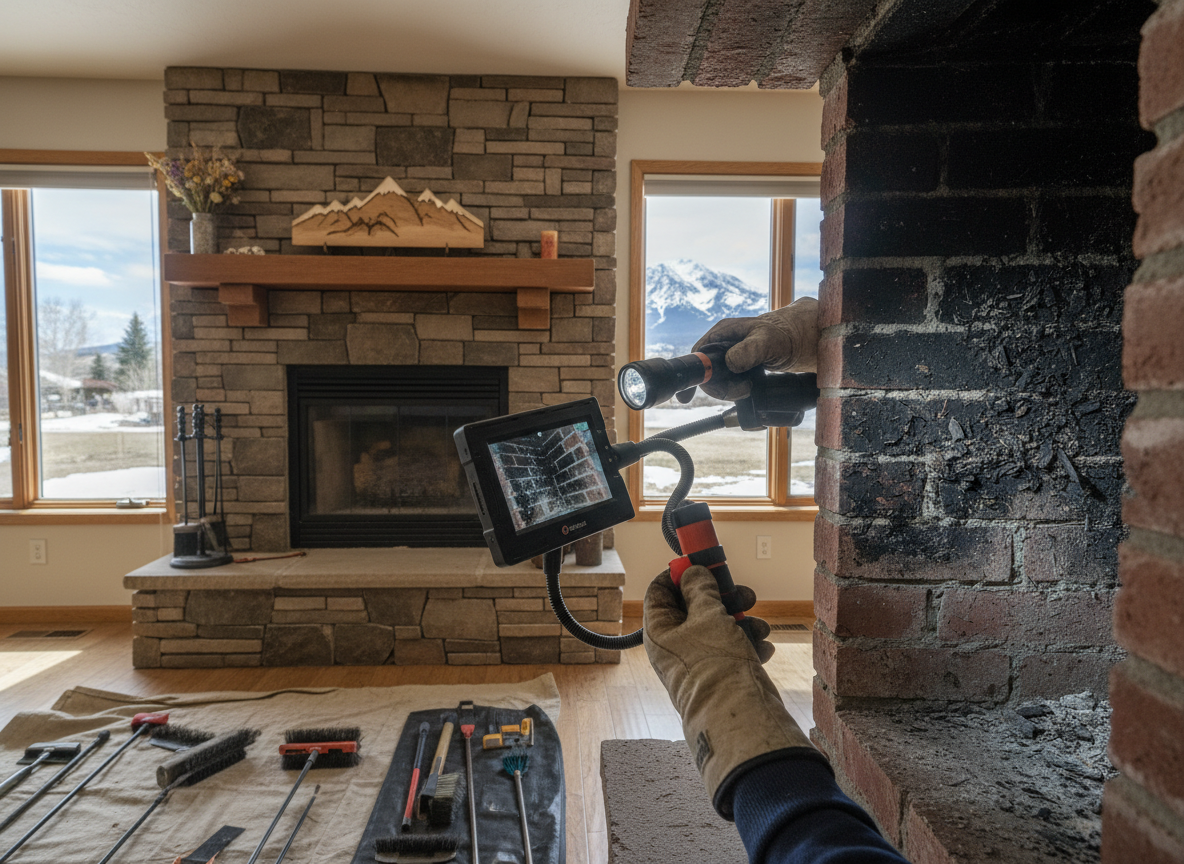
Start by shining a bright flashlight up the flue from the fireplace opening or cleanout door once the system has cooled for at least 48 hours; creosote appears as a black, tar-like coating that feels sticky or flaky, and any layer thicker than 1/8 inch requires professional removal before the next fire.
Why Creosote Accumulates Faster in Holladay Homes
Holladay sits in Salt Lake County where semi-arid conditions bring hot summers followed by long stretches of cold, snowy weather that force homeowners to run wood stoves or fireplaces from October through April. In areas such as Cottonwood and near Olympus Hills Park, many houses built in the 1960s and 1970s feature masonry chimneys with narrow flues that cool quickly, causing smoke to condense into creosote on the interior walls. The terrain around Holladay City Park traps inversion layers that reduce draft, so unburned particles stick rather than exit. These repeated condensation cycles during the extended heating season create thicker deposits than in milder climates. Checking now, before summer heat returns, lets you address buildup before it hardens further.
Tools and Safety Steps for a Home Inspection
Gather a strong LED flashlight, a mirror on an extendable rod, and a fireplace poker before opening any damper. Wear gloves and eye protection, then close the damper if accessible to contain soot. From inside the firebox, look upward for shiny or crusty black residue along the flue walls; use the mirror to view higher sections where creosote often collects near the smoke chamber. Move to the roof only if you have proper fall protection and can safely access the chimney top without disturbing flashing or crown repairs already in place. Never use a ladder against the chimney itself. If you see gaps in mortar or loose bricks common in older Mount Olympus homes, stop and schedule a professional look rather than continuing the inspection.
Reading the Signs of Dangerous Buildup Levels
Stage 1 creosote looks like thin, flaky soot that brushes away easily, while stage 2 forms a hard, shiny glaze that requires chemical treatment. Stage 3 appears as thick, tarry globs that can ignite at lower temperatures. In Salt Lake County homes near Millcreek or Cottonwood Heights, owners often notice a sharp, acrid smell or reduced draft first. Measure any visible layer with a ruler; anything over 1/8 inch means the chimney needs cleaning before fall. Compare the deposit color and texture against photos taken during past inspections to track changes over multiple seasons. These observations help decide whether a basic sweep suffices or if chimney cleaning service plus chimney inspection service is required.
When to Call for Chimney Repair Near Me
If inspection reveals cracks in the flue tile, missing mortar joints, or water staining from the crown, contact a local crew rather than attempting DIY fixes. Homes in Holladay Village often share similar roof pitches that funnel snowmelt into the chimney, accelerating creosote-related deterioration. A technician can combine creosote removal with tuckpointing or crown work in one visit. Residents in nearby Salt Lake City or Millcreek face the same inversion-driven draft issues, so the same inspection criteria apply across the county. Schedule during milder months when crews can work without snow on the roof.
Planning Ahead for Next Winter
Mark the calendar for an annual inspection each September, after the summer drying period but before first snow. Keep a log of burn days and wood types used; pine and green wood produce more creosote than seasoned hardwood. Store wood off the ground and covered to reduce moisture content below 20 percent. Review the related guide on inversion effects to understand how local weather patterns change draft and deposit rates. These habits keep creosote manageable without repeated emergency calls.